- admin
- Apr 04, 2026
Anxiety can cause both emotional and physical symptoms, including a rapid heartbeat, sweating, and trembling. While many treatments focus on mental health directly, some medications target the physical symptoms of anxiety. Atenolol is one such medication that may help manage these symptoms effectively.
What is Atenolol?
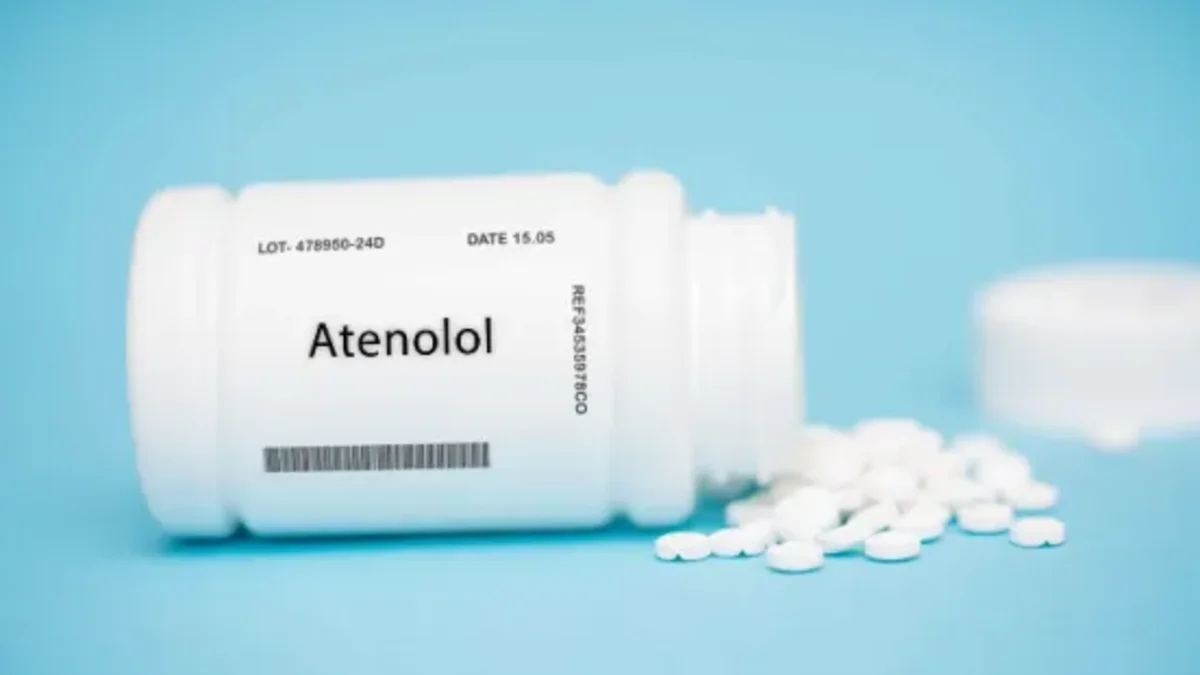
Atenolol is a beta-blocker primarily used to treat high blood pressure and heart-related conditions. However, it is also sometimes prescribed off-label to help control physical symptoms of anxiety, particularly in situations like performance anxiety.
How Does Atenolol Work for Anxiety?
Atenolol works by blocking beta receptors in the body, which reduces the effects of adrenaline. This leads to:
- Slower heart rate
- Reduced blood pressure
- Less trembling and sweating
- A calmer physical response to stress
By controlling these physical symptoms, it can help individuals feel more in control during anxiety-provoking situations.
Uses of Atenolol for Anxiety
Atenolol may be used for:
- Performance anxiety (public speaking, presentations)
- Social anxiety situations
- Situational stress
- Managing physical symptoms of anxiety
It is not typically used as a primary treatment for generalized anxiety disorder.
Recommended Dosage
Typical Dosage for Anxiety:
- 25 mg to 50 mg taken before anxiety-triggering events
Dosage may vary depending on individual needs and medical advice.
Benefits of Atenolol for Anxiety
- Reduces physical symptoms of anxiety
- Helps control heart rate and trembling
- Useful for situational anxiety
- Non-sedating compared to some anxiety medications
Side Effects of Atenolol
Common Side Effects:
- Fatigue
- Dizziness
- Cold hands and feet
- Slow heart rate
Serious Side Effects:
- Severe low blood pressure
- Breathing difficulties
- Fainting
- Irregular heartbeat
Seek medical attention if serious symptoms occur.
Safety and Precautions
- Take only as prescribed
- Avoid sudden discontinuation
- Inform your doctor about existing heart or lung conditions
- Monitor blood pressure and heart rate
Who Should Avoid Atenolol?
Atenolol may not be suitable for:
- Individuals with asthma or severe lung disease
- Patients with very low heart rate
- Those with certain heart conditions
- People allergic to beta-blockers
Always consult a healthcare provider before use.
Tips for Managing Anxiety Naturally
Medication works best when combined with:
- Deep breathing exercises
- Meditation and mindfulness
- Regular physical activity
- Healthy sleep habits
Conclusion
Atenolol can be an effective option for managing the physical symptoms of anxiety, especially in performance or situational settings. While it does not treat the root psychological causes, it can help improve confidence and control during stressful moments.
Always consult a healthcare provider to determine if Atenolol is the right choice for your needs.
Frequently Asked Questions
1. Can Atenolol be used for anxiety?
Yes, it is sometimes prescribed off-label to manage physical symptoms of anxiety.
2. How quickly does Atenolol work for anxiety?
It usually works within a few hours when taken before an anxiety-inducing event.
3. Is Atenolol addictive?
No, it is not considered addictive.
4. Can I take Atenolol daily for anxiety?
It depends on your doctor’s recommendation. It is often used as needed.
5. Does Atenolol reduce mental anxiety?
It mainly reduces physical symptoms, not psychological aspects.
6. Is Atenolol safe for long-term use?
Yes, when used under medical supervision.