- admin
- Apr 10, 2026
What is Suboxone?
Suboxone is a prescription medication used to treat opioid dependence (opioid use disorder). It contains two active ingredients: buprenorphine and naloxone.
- Buprenorphine helps reduce withdrawal symptoms and cravings
- Naloxone helps prevent misuse of the medication
Suboxone is commonly used as part of a comprehensive treatment program known as Medication-Assisted Treatment (MAT).
How Suboxone Works
Suboxone works by partially activating opioid receptors in the brain without producing the same intense “high” as full opioids.
This helps to:
- Reduce cravings
- Prevent withdrawal symptoms
- Lower the risk of relapse
Naloxone remains inactive when taken as prescribed but blocks opioid effects if the medication is misused.
Uses of Suboxone
Suboxone is primarily prescribed for:
1. Opioid Use Disorder (OUD)
Helps individuals safely transition away from opioids such as heroin or prescription painkillers.
2. Withdrawal Management
Reduces symptoms like anxiety, nausea, and muscle pain during detox.
3. Long-Term Recovery Support
Supports ongoing recovery as part of therapy and counseling programs.
Suboxone Dosage
Dosage varies depending on individual needs, medical history, and treatment stage.
General Guidelines:
- Initial dose: Typically started under medical supervision
- Maintenance dose: Adjusted based on response
- Form: Sublingual film or tablet (placed under the tongue)
Important Instructions:
- Do not swallow or chew
- Allow the medication to dissolve completely
- Follow your doctor’s prescribed schedule strictly
⚠️ Self-adjusting dosage can be dangerous and may lead to complications.
Benefits of Suboxone
- Reduces opioid cravings and withdrawal symptoms
- Lowers risk of overdose compared to full opioids
- Supports long-term recovery
- Can be prescribed through telehealth in many cases
- Improves daily functioning and quality of life
Side Effects of Suboxone
Common Side Effects:
- Headache
- Nausea
- Constipation
- Sweating
- Sleep disturbances
Serious Side Effects:
- Breathing problems
- Severe allergic reactions
- Liver issues
- Dependence if misused
Seek immediate medical help if severe symptoms occur.
Who Should Avoid Suboxone?
Suboxone may not be suitable for individuals who:
- Have severe liver disease
- Are allergic to buprenorphine or naloxone
- Are using certain sedatives or alcohol heavily
- Have specific respiratory conditions
Always consult a healthcare provider before starting treatment.
Getting a Suboxone Prescription Online
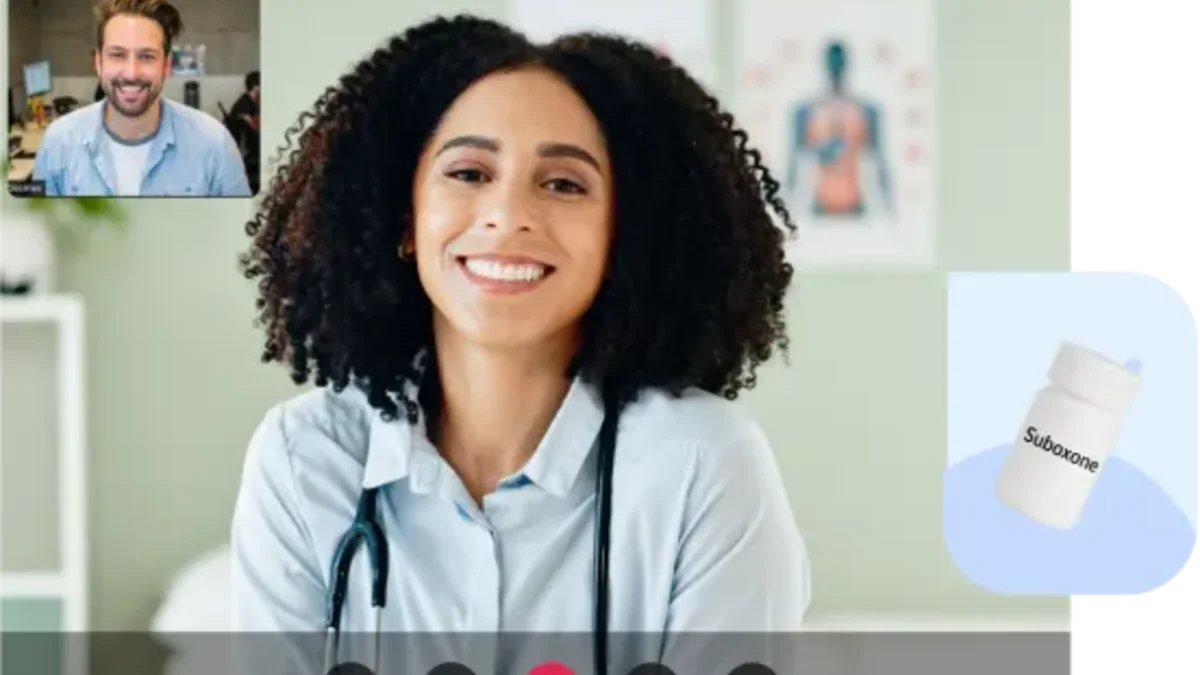
Many licensed telehealth platforms now offer Suboxone prescriptions as part of MAT programs.
Typical Process:
- Complete an online assessment
- Attend a virtual consultation with a certified provider
- Receive a personalized treatment plan
- Get your prescription sent to a pharmacy
Safety Tips:
- Choose certified and reputable telehealth services
- Ensure the provider is licensed to prescribe MAT medications
- Avoid websites offering Suboxone without evaluation
Suboxone vs Other Treatments
| Feature | Suboxone | Methadone | Naltrexone |
|---|---|---|---|
| Type | Partial opioid agonist | Full agonist | Opioid antagonist |
| Risk of misuse | Lower | Higher | None |
| Access | Office/online | Specialized clinics | Prescription |
| Withdrawal relief | Yes | Yes | No |
Suboxone offers a balanced approach between effectiveness and safety.
Conclusion
Suboxone is a highly effective medication for managing opioid dependence and supporting recovery. When combined with counseling and behavioral therapy, it can significantly improve outcomes for individuals struggling with opioid use disorder.
With the availability of online prescriptions, accessing treatment has become more convenient—while still maintaining safety through proper medical supervision.
FAQs
1. Can I get Suboxone prescribed online?
Yes, many licensed providers offer online consultations and prescriptions as part of MAT programs.
2. How long do I need to take Suboxone?
Treatment duration varies. Some people use it short-term, while others require long-term maintenance.
3. Is Suboxone addictive?
It has a lower risk compared to opioids but can still cause dependence if misused.
4. How quickly does Suboxone work?
It begins working within 30–60 minutes, helping relieve withdrawal symptoms.
5. Can I take Suboxone at home?
Yes, after initial evaluation and guidance from a doctor, it is commonly taken at home.
6. What happens if I stop Suboxone suddenly?
Stopping abruptly can cause withdrawal symptoms. Always taper under medical supervision.