- admin
- Apr 10, 2026
What is Trazodone?
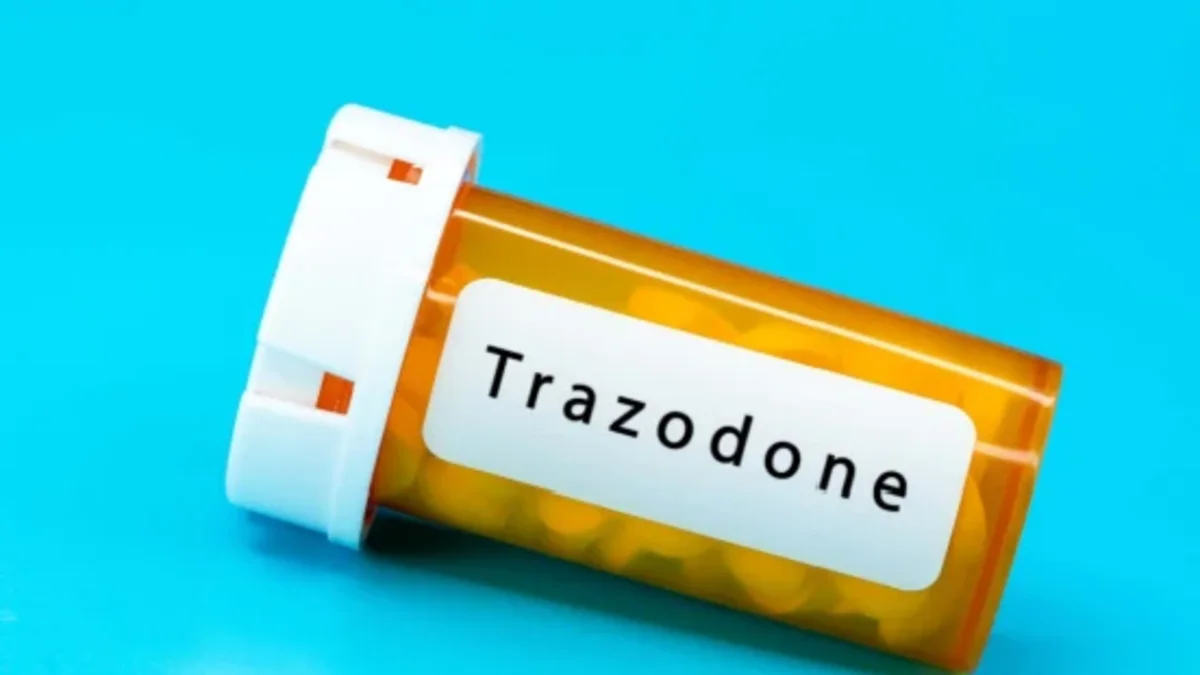
Trazodone is a prescription medication primarily developed to treat depression. It belongs to a class of drugs known as serotonin antagonist and reuptake inhibitors (SARIs), which help regulate serotonin levels in the brain.
Although originally approved for mental health conditions, it is now commonly used off-label to manage sleep problems like insomnia.
How Trazodone Helps with Sleep
Trazodone promotes sleep by affecting brain chemicals responsible for mood and alertness. It works by:
- Increasing serotonin levels
- Blocking histamine receptors that keep you awake
- Reducing brain activity linked to arousal
These combined effects create a calming and sedative response, making it easier to fall asleep and stay asleep longer.
Benefits of Trazodone for Sleep
Many healthcare providers recommend trazodone for sleep due to its unique advantages:
- Non-habit forming: Unlike many sleeping pills, it has a low risk of dependency
- Cost-effective: Available as a generic medication
- Improves sleep quality: Helps with deeper and longer sleep cycles
- Useful for co-existing conditions: May benefit people with depression or anxiety
Some studies also suggest it may improve sleep continuity and reduce nighttime awakenings.
Recommended Dosage for Sleep
When prescribed for insomnia, trazodone is usually given in lower doses than for depression.
- Typical dose: 50 mg to 100 mg before bedtime
- Lower doses may reduce side effects while still improving sleep
- Doctors may adjust dosage based on response and tolerance
Always follow your healthcare provider’s guidance and avoid self-adjusting the dose.
Common Side Effects
Like any medication, trazodone can cause side effects. The most common include:
- Drowsiness or fatigue
- Dizziness
- Dry mouth
- Blurred vision
- Headaches
- Digestive issues
Some users may also experience daytime sleepiness or grogginess, especially when starting the medication.
Serious Risks and Warnings
Although rare, trazodone may cause serious health risks such as:
- Irregular heartbeat
- Low blood pressure
- Serotonin syndrome
- Suicidal thoughts (especially in younger individuals)
Medical supervision is essential, particularly when starting or stopping the medication.
Is Trazodone Approved for Sleep?
Trazodone is not officially approved for insomnia treatment, but it is widely prescribed off-label for sleep disorders.
Experts often recommend trying lifestyle changes, such as improving sleep hygiene or therapy, before relying on medication.
Who Should Consider Trazodone?
Trazodone may be suitable for individuals who:
- Have insomnia along with depression or anxiety
- Do not respond well to other sleep medications
- Need a non-addictive sleep aid
However, it may not be ideal for everyone, especially those with certain medical conditions or those taking interacting medications.
Tips for Better Results
To maximize effectiveness:
- Take trazodone 30–60 minutes before bedtime
- Avoid alcohol and sedatives
- Maintain a consistent sleep schedule
- Combine with healthy sleep habits
Conclusion
Trazodone is a widely used off-label option for managing sleep issues, especially in individuals dealing with mental health conditions. While it offers benefits like improved sleep quality and low addiction risk, it also comes with potential side effects and risks. Consulting a healthcare provider is essential to determine whether it’s the right choice for your sleep needs.
FAQs
1. How fast does trazodone work for sleep?
Trazodone typically starts working within 30 to 60 minutes after taking it.
2. Is trazodone safe for long-term use?
It can be used long-term under medical supervision, but regular monitoring is important.
3. Does trazodone cause addiction?
No, trazodone is generally not considered addictive compared to other sleep medications.
4. Can trazodone make you feel groggy the next day?
Yes, some people may experience next-day drowsiness, especially at higher doses.
5. Can I take trazodone every night for sleep?
It depends on your doctor’s advice. Some people use it regularly, while others take it as needed.
6. What should I avoid while taking trazodone?
Avoid alcohol, other sedatives, and activities requiring alertness until you know how it affects you.